Professional Plumbing: Cost Savings in Denver Restaurants
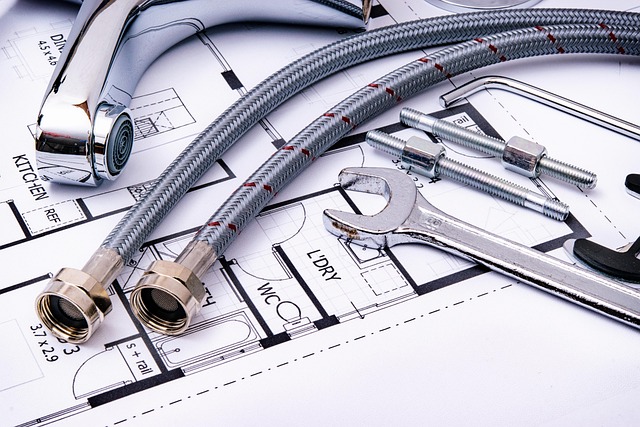
A plumber for restaurant installations Denver is crucial for efficient, safe, and compliant kitchen…….
In the vibrant culinary landscape of Denver, Colorado, a specialized profession plays a silent yet vital role in shaping the dining experience: the plumber for restaurant installations. This article delves into the intricate world of these experts, exploring their crucial contributions to the success of Denver’s thriving restaurant scene. We will navigate through various facets, from understanding the core responsibilities to analyzing global trends and futuristic innovations, all while shedding light on why this field is a cornerstone of modern gastronomy.
A plumber for restaurant installations in Denver is a skilled professional who specializes in designing, installing, and maintaining plumbing systems within commercial kitchen environments. Their primary role revolves around ensuring the efficient and safe movement of water and waste in restaurants, catering establishments, and food service facilities. These plumbers possess a deep understanding of local building codes and health regulations specific to food service operations.
The scope of their work encompasses several critical areas:
Design and Layout: Plumbers collaborate with architects, kitchen designers, and restaurant owners to create efficient plumbing layouts. They consider factors like water supply, waste disposal, backflow prevention, and cross-contamination zones, ensuring compliance with health department standards.
Installation: This involves setting up pipes, fixtures, sinks, dishwashers, and other equipment. Plumbers use various materials like copper, PVC, and stainless steel to create robust and durable systems capable of handling the demands of commercial kitchens.
Maintenance and Repairs: Regular maintenance is crucial to prevent plumbing disasters. These professionals inspect for leaks, clogs, and corrosion, offering prompt repairs or replacement solutions to minimize disruptions during peak service hours.
The demand for specialized plumbers in Denver’s restaurant industry has evolved over time. As the city’s culinary scene grew, so did the complexity of kitchen designs and health regulations. In response, the profession has adapted, with advanced training programs and certifications now available to meet the unique challenges of commercial food service plumbing.
The concept of dedicated restaurant installation plumbers has spread globally, albeit with regional variations. Countries like the United Kingdom, Australia, and Canada have developed similar specialties, adapted to their respective climate and culinary traditions. However, Denver’s specific approach may draw comparisons to urban centers known for their bustling food scenes, such as New York City or Tokyo, where efficient, sustainable, and health-conscious plumbing systems are paramount.
Several global trends significantly impact the field:
Sustainability: A growing emphasis on eco-friendly practices drives the adoption of water-saving technologies and recycling systems, requiring plumbers to stay updated with innovative solutions.
Technology Integration: The integration of smart plumbing systems, automated sensors, and digital monitoring is rising, especially in high-end restaurants, impacting design and installation methods.
Modular Kitchen Designs: Pre-fabricated kitchen modules are gaining popularity, presenting challenges and opportunities for plumbers to adapt their installation techniques.
Different regions face unique challenges:
| Region | Challenges | Opportunities |
|---|---|---|
| North America | Strict health codes, diverse climate conditions | Advanced plumbing technology, growing food service industry |
| Europe | Aging infrastructure, language barriers in international cities | Strict environmental regulations, modular kitchen trends |
| Asia | High density of restaurants, limited space for plumbing systems | Sustainable water management, smart city initiatives |
The restaurant installation plumbing market in Denver is a vital component of the broader construction and hospitality sectors. According to industry reports:
Investors in Denver’s culinary landscape recognize the importance of efficient plumbing systems in ensuring operational success and customer satisfaction:
Plumbers play a pivotal role in the economic system by:
One of the most significant technological breakthroughs is the emergence of smart plumbing networks:
Advancements in water recycling technologies have revolutionized restaurant plumbing:
Computer-aided design (CAD) software has transformed the planning phase:
Denver’s building codes and permits play a crucial role in shaping restaurant plumbing installations:
The Denver Health Department sets critical standards for food service establishments:
Key legislative frameworks guide the industry:
The plumber for restaurant installations faces several challenges:
Space Constraints: Many Denver restaurants operate in older buildings with limited space for plumbing systems, requiring creative solutions and specialized equipment.
Budget Limitations: Restrictive budgets can hinder the adoption of advanced technologies and efficient designs, impacting long-term sustainability goals.
Rapid Technological Change: Keeping up with rapidly evolving technology and staying ahead of industry trends requires continuous training and adaptation.
Criticisms of the field include:
Inefficient Systems: Some critics argue that traditional plumbing designs waste water and energy, calling for more sustainable solutions. Response: Plumbers can lead water conservation efforts by adopting smart systems and recycling technologies, promoting eco-friendly practices.
High Costs: Initial installation costs can be high, deterring some restaurant owners. Solution: Offering financial incentives or grants for efficient plumbing systems can encourage adoption, ensuring long-term savings.
Lack of Standardization: Variations in local codes and regulations can create challenges. Proposal: Developing a comprehensive national (or regional) guideline could streamline the process, ensuring consistent quality and safety.
Location: Denver’s LoDo District
Challenge: A historic building housed a new vegan restaurant aiming for zero-waste operations.
Solution: Plumbers designed and installed a comprehensive water recycling system, treating greywater for irrigation and toilet flushing while using ultra-efficient fixtures.
Outcome: The restaurant achieved its sustainability goals, winning awards for eco-friendly practices, and setting a new standard for Denver’s culinary scene.
Venue: A high-end steakhouse undergoing a major renovation
Problem: Outdated plumbing systems required replacement, but the restaurant wanted to integrate smart technology.
Approach: Plumbers worked with IT specialists to design a network of connected plumbing devices, allowing remote monitoring and control.
Result: The renovated kitchen became a tech showcase, improving efficiency and attracting tech-savvy diners.
Setting: A bustling food court in Denver’s mall
Mission: Install efficient plumbing for multiple quick-service restaurants in limited space.
Strategy: Plumbers customized compact plumbing layouts, utilizing vertical space and specialized equipment to minimize footprint while maintaining health standards.
Impact: The project enabled the food court to accommodate more vendors, increasing foot traffic and revenue.
The future of Denver’s restaurant plumbing installations holds promising prospects:
Sustainable Innovations: Water conservation technologies and renewable energy integration will continue to gain traction, driven by environmental awareness and government incentives.
Smart Cities and Digital Integration: As Denver moves towards smart city initiatives, connected plumbing systems will play a vital role in urban infrastructure, enabling efficient resource management.
Modular Food Service Facilities: Pre-fabricated food halls and pop-up restaurants will drive demand for portable, quick-install plumbing solutions.
Keep an eye out for these emerging trends:
Biometric Security: Plumbers may integrate biometric access control systems into plumbing fixtures, enhancing security and user experience.
AI-Driven Maintenance: Artificial intelligence algorithms could predict equipment failures, optimizing maintenance schedules and reducing downtime.
3D Printing of Plumbing Components: This technology offers cost savings and rapid prototyping for custom plumbing parts.
The plumber for restaurant installations in Denver is a cornerstone of the city’s thriving culinary ecosystem, ensuring that kitchens run smoothly and efficiently while adhering to stringent health and safety standards. From designing innovative plumbing systems to staying abreast of global trends, these professionals contribute significantly to the success and sustainability of Denver’s diverse food service industry. As technology advances and culinary landscapes evolve, their role will remain indispensable, shaping the future of gastronomy with precision and expertise.
Q: What sets a good plumber for restaurant installations apart from others?
A: A superior plumber demonstrates a deep understanding of health codes, stays updated on technology, offers sustainable solutions, and provides exceptional customer service, ensuring seamless project execution.
Q: How do I know if my restaurant needs a new plumbing system?
A: Signs include frequent clogs, water pressure issues, outdated fixtures, or non-compliance with health department regulations. Regular inspections can help identify potential problems early.
Q: Are there any government incentives for efficient restaurant plumbing?
A: Yes, various local and federal programs offer incentives, grants, or tax benefits for adopting energy-efficient and water-saving technologies, encouraging sustainable practices.
Q: Can plumbers assist with food service equipment installation?
A: Absolutely! Plumbers often collaborate with kitchen equipment suppliers to ensure proper installation and integration of sinks, dishwashers, and other appliances, meeting health and safety standards.
Q: How do I choose the right plumber for my restaurant’s renovation?
A: Consider experience, licenses, insurance, references, and their understanding of your specific needs. A comprehensive proposal outlining services and costs is essential before making a decision.
A plumber for restaurant installations Denver is crucial for efficient, safe, and compliant kitchen…….